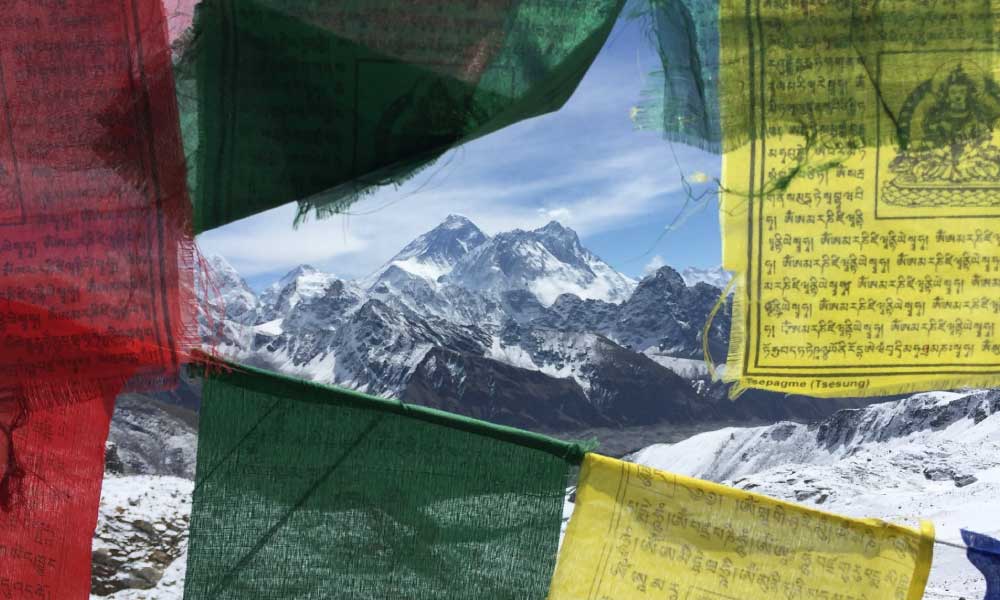
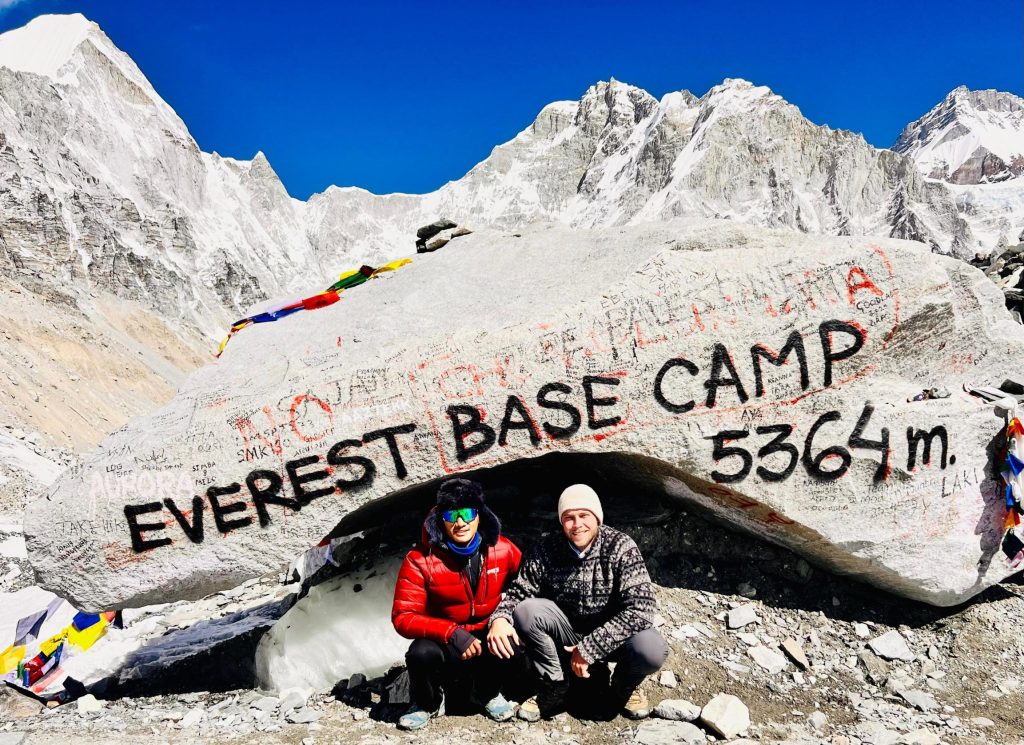
Standing at 5,364 meters (17,598 feet), Everest Base Camp sits in the Khumbu region of Nepal. This trek takes you through Sherpa villages, ancient monasteries, suspension bridges swaying over roaring rivers, and landscapes that feel like another planet. You’ll walk the same paths that legendary mountaineers took before attempting to summit Everest.
This trek attracts everyone from seasoned hikers to first-time trekkers who simply want to challenge themselves. You don’t need technical climbing skills, but you do need determination, proper preparation, and respect for the altitude.
If you’re reading this, you’re probably wondering whether you can do it, how much it costs, what the real challenges are, and how to prepare. This guide answers all of that with honest, field-tested information from people who’ve walked these trails hundreds of times.
Quick Facts: Everest Base Camp Trek
| Detail | Information |
|---|---|
| Location | Solukhumbu District, Khumbu Region, Nepal |
| Duration | 12-14 days (including acclimatization) |
| Maximum Altitude | 5,364m / 17,598 ft (Everest Base Camp) 5,545m / 18,192 ft (Kala Patthar viewpoint) |
| Difficulty Level | Moderate to Challenging |
| Total Distance | Approximately 130 km (80 miles) round trip |
| Trek Type | Tea house trek (lodge-based) |
| Accommodation | Tea houses / lodges |
| Permits Required | Sagarmatha National Park Permit Khumbu Pasang Lhamu Rural Municipality Permit |
| Best Seasons | Spring (March-May) and Autumn (September-November) |
| Starting Point | Lukla (flight from Kathmandu) |
| Estimated Cost | $1,200 – $2,500 USD (varies by service level) |
Detailed Everest Base Camp Trek Itinerary
This is a realistic 12-day itinerary that includes proper acclimatization. Rushing this trek is the biggest mistake trekkers make.
Day 1: Kathmandu to Lukla (2,840m), Trek to Phakding (2,610m)
You’ll take an early morning flight from Kathmandu to Lukla. The flight itself is an adventure, with views of snow-capped peaks and a landing on one of the world’s most dramatic runways.
From Lukla, the trail descends gently through pine forests to Phakding. This first day is intentionally easy to let your body adjust after the flight. You’ll cross several suspension bridges and pass small villages with prayer flags fluttering in the wind.
Day 2: Phakding to Namche Bazaar (3,440m)
This is your first challenging day. The trail follows the Dudh Kosi River, crossing it multiple times on high suspension bridges. The final ascent to Namche is steep and will test your lungs.
Namche Bazaar is the Sherpa capital, a bustling mountain town built into a horseshoe-shaped hillside. You’ll find bakeries, gear shops, Irish pubs, and even espresso machines here. It’s the last real town before base camp.
Day 3: Acclimatization Day in Namche Bazaar
You don’t rest completely on acclimatization days. The rule is “climb high, sleep low.” Most trekkers hike up to the Everest View Hotel (3,880m) for stunning views of Everest, Lhotse, and Ama Dablam, then return to Namche to sleep.
This helps your body produce more red blood cells to carry oxygen more efficiently at high altitude. Skipping acclimatization days dramatically increases your risk of altitude sickness.
Day 4: Namche Bazaar to Tengboche (3,860m)
The trail climbs gradually with spectacular mountain views. You’ll pass through rhododendron and juniper forests (beautiful in spring when rhododendrons bloom) and reach Tengboche, home to the region’s most famous monastery.
Tengboche Monastery sits on a ridge with panoramic views of Everest, Nuptse, Lhotse, Ama Dablam, and Thamserku. If you arrive in the afternoon, you can attend the monk’s evening prayer ceremony.
Day 5: Tengboche to Dingboche (4,410m)
The trail descends to Debuche, crosses the Imja River, then climbs to Pangboche. You’ll notice the air getting thinner and the landscape becoming more barren. Trees disappear above 4,000 meters.
Dingboche is a summer settlement where Sherpas graze yaks. The village sits in a wide valley with stone-walled fields and stunning views of the island peak and Lhotse’s massive south wall.
Day 6: Acclimatization Day in Dingboche
Another crucial acclimatization day. Most trekkers hike up to Nagarjun Hill (5,100m) for incredible 360-degree views. You’ll see Makalu (world’s fifth-highest peak), Lhotse, and countless other giants.
Your body needs this time. You might feel mild headaches or lose your appetite—this is normal at this altitude. Drink plenty of water and don’t rush.
Day 7: Dingboche to Lobuche (4,910m)
The trail climbs the terminal moraine of the Khumbu Glacier. This is tough hiking on rocky, uneven terrain. You’ll pass memorials to climbers who died on Everest—a sobering reminder of the mountain’s power.
Lobuche is a small settlement with basic lodges. It’s cold here, and you’ll feel the altitude. Most trekkers struggle to sleep well at this height.
Day 8: Lobuche to Gorak Shep (5,140m), Hike to Everest Base Camp (5,364m), Return to Gorak Shep
This is the big day. You’ll trek to Gorak Shep first, drop your main bag, then continue to Everest Base Camp. The trail follows the Khumbu Glacier, rocky and uneven.
Everest Base Camp itself can be anticlimactic—you can’t see Everest’s summit from there, just the Khumbu Icefall and surrounding peaks. But standing there, knowing you’re at the starting point of every Everest expedition, is powerful.
You’ll return to Gorak Shep to sleep. The altitude here makes sleeping difficult for most people.
Day 9: Gorak Shep to Kala Patthar (5,545m), Descend to Pheriche (4,280m)
Most trekkers wake up before dawn to climb Kala Patthar for sunrise. This is the best viewpoint for Everest. You’ll see the summit glowing pink as the sun hits it, along with Nuptse, Pumori, and the entire Khumbu region spread below.
After descending from Kala Patthar, you’ll trek down to Pheriche. The descent feels easy compared to the climb up, and sleeping at lower altitude helps your body recover.
Day 10: Pheriche to Namche Bazaar (3,440m)
A long downhill day retracing your steps. The descent is hard on your knees but easy on your lungs. You’ll feel stronger as oxygen increases with every step down.
Namche feels like luxury after the sparse lodges higher up. Hot showers, better food, and a celebratory atmosphere.
Day 11: Namche Bazaar to Lukla (2,840m)
The final trekking day. The trail descends through forests back to Lukla. You’ve completed the trek. Most groups celebrate with a small party in Lukla, thanking guides and porters for their work.
Day 12: Lukla to Kathmandu
Morning flight back to Kathmandu. Weather can delay flights from Lukla, so build buffer days into your schedule if you have international flights to catch.
Everest Base Camp Trek Distance & Map Explanation
The total distance from Lukla to Everest Base Camp and back is approximately 130 kilometers (80 miles). But distance doesn’t tell the full story on this trek.
You’re not walking on flat ground. You’ll climb over 3,000 vertical meters from Lukla to Kala Patthar, then descend all of it on the way back. The terrain includes steep stone staircases, rocky glacier moraines, suspension bridges, and narrow cliff-side paths.
Daily distances vary from 8 to 15 kilometers, but walking time depends heavily on altitude. A 10-kilometer day at 5,000 meters takes much longer than the same distance at 3,000 meters because your body works harder with less oxygen.
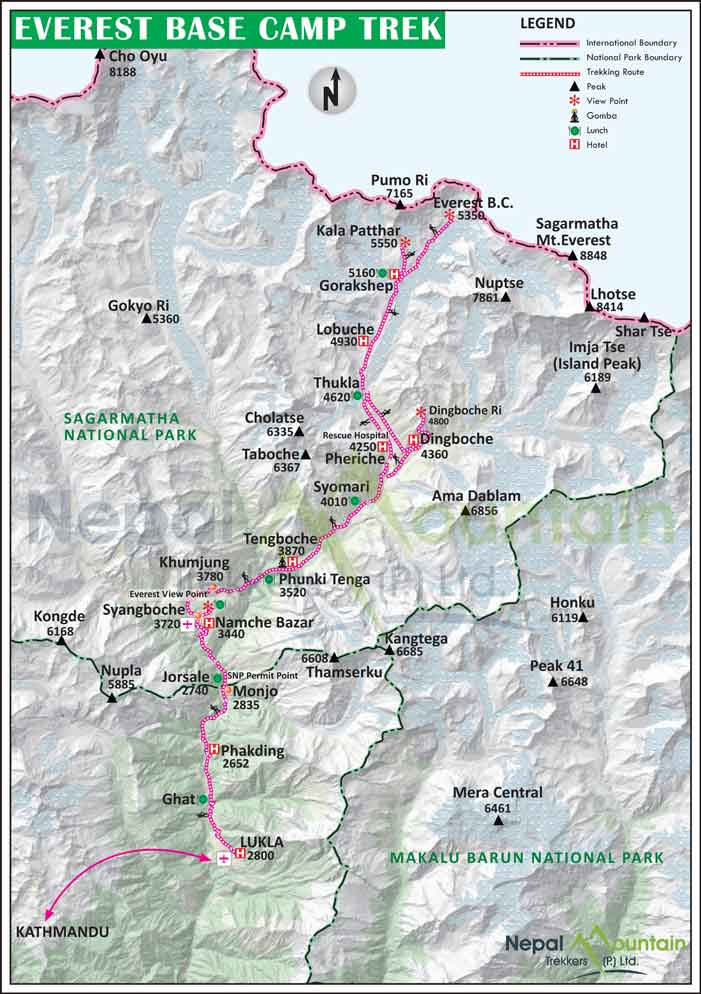
Trail maps are essential. The most reliable is the Everest Base Camp trekking map by National Geographic or the Nepa Maps Everest region map. These show tea houses, villages, altitude profiles, and alternative routes.
GPS apps like Maps.me work offline and are helpful, but don’t rely solely on technology. Trails are well-marked, and locals can always point you in the right direction.
Everest Base Camp Trek Difficulty: The Honest Truth
Let’s be direct: this trek is challenging. Not impossible, but you shouldn’t underestimate it.
Physical Difficulty
You’ll walk 5 to 8 hours daily for nearly two weeks. The trail includes steep climbs, long descents, and uneven terrain. You need:
- Cardiovascular endurance (your heart and lungs working efficiently)
- Leg strength (especially for steep climbs and protecting knees on descent)
- Mental stamina (pushing through discomfort and fatigue)
You don’t need to be an athlete, but you should be comfortable hiking for several hours with a daypack. If walking uphill for 20 minutes leaves you completely exhausted, you need more preparation.
The Altitude Factor
This is the real challenge. At 5,364 meters, there’s about 50% less oxygen than at sea level. Your body must adapt, which takes time.
Symptoms of altitude affecting you include:
- Shortness of breath during normal activities
- Reduced appetite
- Difficulty sleeping
- Mild headaches
- Slower thinking
These are normal. Dangerous altitude sickness is different and covered in the next section.
Mental Challenge
Days feel long. Accommodations are basic. It might be cold, windy, or snowing. You might feel tired, question why you’re doing this, and want to quit.
The mental game is as important as physical fitness. You need determination and the ability to stay positive when things get uncomfortable.
Who Should NOT Do This Trek
Be honest with yourself. Skip this trek if you:
- Have serious heart or lung conditions
- Have uncontrolled high blood pressure
- Are recovering from recent surgery or injury
- Have a history of severe altitude sickness
- Cannot walk uphill for extended periods
Consult a doctor if you have any health concerns. There’s no medical facility at base camp, and helicopter evacuation is expensive and not always immediately available.
Fitness Preparation Tips
Start preparing at least 2-3 months before your trek:
- Hike regularly with a loaded backpack (5-7 kg)
- Build cardiovascular fitness through running, cycling, or swimming
- Strengthen legs with squats, lunges, and step-ups
- Practice hiking downhill to condition your knees
- If possible, do multi-day hikes to test your stamina
The fitter you are, the more you’ll enjoy the trek instead of just surviving it.
Altitude Sickness at Everest Base Camp
Acute Mountain Sickness (AMS) is a real risk on this trek. Understanding it could save your life.
Symptoms
Mild AMS (common and manageable):
- Headache
- Nausea or loss of appetite
- Fatigue or weakness
- Dizziness
- Difficulty sleeping
Severe AMS (medical emergency):
- Severe headache not relieved by medication
- Vomiting
- Confusion or altered consciousness
- Loss of coordination (ataxia)
- Shortness of breath at rest
- Chest tightness or congestion
Critical Warning: If symptoms are severe, descend immediately. Altitude sickness can progress to life-threatening conditions (HACE or HAPE) within hours.
Prevention
The best prevention is proper acclimatization:
- Follow the itinerary with built-in rest days
- Climb high, sleep low
- Ascend slowly (don’t gain more than 500m sleeping altitude per day above 3,000m)
- Drink 3-4 liters of water daily
- Avoid alcohol and sleeping pills
- Listen to your body
Many trekkers take Diamox (acetazolamide) to prevent AMS. Consult your doctor before the trek. Diamox helps but doesn’t replace proper acclimatization.
What to Do If You Get Altitude Sickness
Mild symptoms:
- Stop ascending and rest for a day
- Drink water and eat even if you don’t feel hungry
- Take paracetamol or ibuprofen for headaches
- Tell your guide immediately
Severe symptoms:
- Descend at least 500 meters immediately (even at night if necessary)
- Take dexamethasone if available (prescription medication)
- Prepare for helicopter evacuation if descent doesn’t help
Never ignore symptoms or hide them from your guide. Pride kills people in the mountains.
Oxygen and Emergency Evacuation
Most tea houses have emergency oxygen available. Guides carry oximeters to check your blood oxygen saturation.
Helicopter evacuation costs $3,000-$6,000 USD. Travel insurance that covers high-altitude trekking (up to 6,000m) is mandatory. Companies like World Nomads, IMG, and Global Rescue offer suitable policies.
Make sure your insurance explicitly covers helicopter rescue at altitude. Some policies exclude “adventure activities” or cap altitude limits.
Best Time for Everest Base Camp Trek
Timing affects everything: weather, views, crowds, and safety.
Spring Season (March to May)
Pros:
- Stable weather with clear skies
- Rhododendrons bloom in lower regions (beautiful)
- Warmer temperatures than autumn
- Best visibility for mountain views
- Coincides with Everest climbing season (you might see expeditions at base camp)
Cons:
- More crowded (peak season)
- Higher tea house prices
- Lukla flights often delayed due to afternoon cloud buildup
Temperature:
- Daytime at lower elevations: 10-15°C
- Daytime at higher elevations: 5-10°C
- Nighttime at Gorak Shep: -10 to -15°C
Autumn Season (September to November)
Pros:
- Most stable weather of the year
- Crystal clear mountain views
- Comfortable daytime temperatures
- Lower chance of flight delays
- Post-monsoon fresh, clean air
Cons:
- Peak season crowds (even busier than spring)
- Cold nights at high altitude
- More expensive (highest demand)
- Tea houses fully booked (reservations recommended)
Temperature:
- Daytime at lower elevations: 10-15°C
- Daytime at higher elevations: 5-10°C
- Nighttime at Gorak Shep: -15 to -20°C
Winter Season (December to February)
Pros:
- Almost no crowds
- Cheaper prices
- Clear skies and incredible mountain views
Cons:
- Extreme cold (as low as -25°C at night at high altitude)
- Some tea houses closed
- Shorter daylight hours
- High risk of frostbite
- Very difficult for beginners
Only experienced trekkers with proper winter gear should attempt this trek in winter.
Monsoon Season (June to August)
Pros:
- Empty trails
- Lower prices
- Green, lush landscapes in lower regions
Cons:
- Heavy rain at lower altitudes
- Leeches in forests
- Frequent flight cancellations
- Cloud cover blocks mountain views
- Landslide risk
- Trails muddy and slippery
Not recommended unless you have very flexible timing and accept that you might not see any mountains.
Month-by-Month Breakdown
| Month | Weather | Crowds | Visibility | Recommendation |
|---|---|---|---|---|
| January | Very cold | Low | Excellent | Experienced only |
| February | Cold | Low | Excellent | Experienced only |
| March | Warming up | Medium | Very good | Recommended |
| April | Pleasant | High | Very good | Best month |
| May | Warm, pre-monsoon | High | Good | Recommended |
| June | Monsoon starts | Low | Poor | Not recommended |
| July | Heavy rain | Very low | Poor | Not recommended |
| August | Heavy rain | Very low | Poor | Not recommended |
| September | Monsoon ends | Medium | Improving | Good |
| October | Perfect | Very high | Excellent | Best month |
| November | Cool | High | Excellent | Recommended |
| December | Cold | Low | Excellent | Experienced only |
Everest Base Camp Trek Cost Breakdown
Cost varies dramatically based on how you trek and what level of service you choose.
Budget Trek: $1,200 – $1,500 USD
What you get:
- Basic tea house accommodation (shared bathrooms)
- Meals included (dal bhat, noodles, simple fare)
- Licensed guide and porter
- Permits arranged
- Group trek with other travelers
What’s NOT included:
- International flights
- Kathmandu hotel
- Travel insurance
- Personal expenses (snacks, drinks, WiFi, charging devices)
- Tips for guide and porter
Budget treks are fine if you’re comfortable with basic accommodation and don’t mind sharing rooms.
Standard Trek: $1,500 – $2,000 USD
What you get:
- Better tea houses with private rooms when available
- More varied meal options
- Experienced guide with good English
- Porter carrying up to 10kg of your gear
- Airport transfers in Kathmandu
- Better support and flexibility
This is the sweet spot for most trekkers. You get quality service without overpaying.
Premium Trek: $2,000 – $2,500+ USD
What you get:
- Best available tea houses
- Private rooms prioritized
- Highly experienced guide (often with Everest summit experience)
- Personal porter
- Better meals and snacks
- Satellite phone for emergencies
- More comprehensive support
- Small group size or private trek
Worth it if you want maximum comfort and safety or are trekking during peak season when accommodation is limited.
What Affects the Cost
Group size: Solo trekkers pay more. Groups of 4+ get discounts.
Season: Peak season (October-November, April-May) costs more.
Service level: More guides, better food, private rooms increase cost.
Company reputation: Established, ethical companies charge more but provide better salaries to staff and reliable service.
Hidden Costs Most Blogs Ignore
- Hot showers: $3-5 USD per shower (higher at altitude)
- Device charging: $2-5 USD per charge (higher at altitude)
- WiFi: $3-5 USD per day
- Extra snacks and drinks: $5-10 USD daily
- Tips for guide and porter: $100-150 USD total (expected and important)
- Gear rental if you don’t own it: $10-15 USD per item
- Extra nights if flights are delayed: $20-30 USD per night
Budget an extra $200-300 USD for these expenses.
Is Cheaper Actually Cheaper?
Extremely cheap packages often mean:
- Unlicensed guides
- Overworked, underpaid porters
- Poor quality accommodation
- No proper safety equipment
- No emergency backup plan
A guide making $15/day instead of $25/day might rush you to finish quickly or ignore safety protocols. A reputable company costs more because they treat their staff ethically and prioritize your safety.
Everest Base Camp Trek Permits (2026 Updated)
You need two permits to trek to Everest Base Camp. Both are mandatory and checked at multiple points.
1. Sagarmatha National Park Entry Permit
Cost:
- SAARC nationals: NPR 1,500 (approximately $11 USD)
- Foreign nationals: NPR 3,000 (approximately $23 USD)
Where to get it:
- Nepal Tourism Board office in Kathmandu
- Entry gate at Monjo (on the trek route)
You need two passport-size photos and your passport. Most trekking companies arrange this for you.
2. Khumbu Pasang Lhamu Rural Municipality Permit
Cost:
- All trekkers: NPR 2,000 (approximately $15 USD)
Where to get it:
- Nepal Tourism Board office in Kathmandu
- Sometimes at Lukla, though less reliable
This permit was introduced in 2018 and funds local community development. It’s essential—you’ll be turned back without it.
Total Permit Cost
Expect to pay approximately $40-50 USD for both permits. Keep them safe throughout the trek. You’ll show them at checkpoints in Monjo, Namche, and other locations.
TIMS Card (Trekkers’ Information Management System)
As of 2023, TIMS card is no longer required for the Everest region if you trek with a registered guide or agency. Independent trekkers may need it. Regulations change, so confirm current requirements before you go.
Everest Base Camp Trek Packing List
Pack light but don’t skip essentials. Your porter can carry 10-15kg of your gear, but you’ll carry a daypack.
Clothing (Layer System)
Base layers:
- 2-3 moisture-wicking t-shirts
- 2-3 pairs of trekking underwear
- 2 pairs of trekking socks (wool or synthetic, NOT cotton)
- 1 pair of liner socks
Insulation layers:
- 1 fleece jacket or lightweight down jacket
- 1 heavyweight down jacket (for high altitude)
- 1 pair of trekking pants
- 1 pair of thermal underwear (top and bottom)
Outer layers:
- 1 waterproof and windproof jacket (Gore-Tex or similar)
- 1 waterproof pants
- 1 warm hat
- 1 sun hat or cap
- Buff or neck gaiter
- Warm gloves (liner gloves + insulated gloves)
Footwear:
- 1 pair of broken-in trekking boots (waterproof, ankle support)
- 1 pair of camp shoes or sandals (for evenings in tea houses)
- Gaiters (optional but useful in snow)
Equipment
- Sleeping bag rated to -15°C to -20°C (can rent in Kathmandu)
- Trekking poles (highly recommended for knee protection)
- Headlamp with extra batteries
- Sunglasses with UV protection (category 3 or 4)
- Water bottles (1 liter capacity, 2 bottles) or hydration bladder
- Water purification tablets or filter
- Daypack (25-35 liters)
- Duffel bag for porter to carry (60-80 liters)
First Aid and Medications
- Diamox for altitude sickness (prescription required)
- Ibuprofen or paracetamol for headaches
- Anti-diarrhea medication (Imodium)
- Antibiotics (consult your doctor)
- Rehydration salts
- Personal prescriptions
- Blister treatment (Compeed or moleskin)
- Hand sanitizer and wet wipes
- Sunscreen (SPF 50+)
- Lip balm with SPF
Documents and Money
- Passport with Nepal visa
- Permits (Sagarmatha National Park, Khumbu Pasang Lhamu)
- Travel insurance documents (with emergency contact numbers)
- Passport-size photos (4-5 extra copies)
- Cash (Nepali Rupees—ATMs only in Namche after that)
- Credit card (for emergencies)
Electronics
- Phone with offline maps downloaded
- Camera with extra batteries
- Portable charger/power bank
- Plug adapter (Nepal uses Type C, D, and M)
- Headphones
Toiletries
- Toothbrush and toothpaste
- Biodegradable soap
- Quick-dry towel
- Toilet paper
- Personal hygiene items
Nice to Have (Not Essential)
- Book or Kindle
- Journal and pen
- Playing cards
- Earplugs (tea house walls are thin)
- Buff or bandana
- Compression sacks for organizing gear
What NOT to Bring
- Hairdryer (no consistent electricity)
- Cotton clothing (doesn’t dry and loses warmth when wet)
- Heavy books
- Expensive jewelry
- Too many clothes (you can wash basic items in tea houses)
- Drone (illegal in Sagarmatha National Park without special permit)
Weight Tips
Your main duffel bag should weigh 10-12kg maximum. Porters carry two bags, and overloading them is unethical and unsafe.
Keep your daypack under 5kg: water, camera, snacks, extra layers, first aid kit.
Everest Base Camp Trek Without Guide vs With Guide
Nepal’s trekking regulations changed in 2023. Here’s what you need to know.
Current Legal Requirement
As of April 2023, independent trekking without a guide is officially prohibited in Nepal. All trekkers must hire a licensed guide or join a registered trekking company.
This regulation aims to improve safety, support local employment, and reduce environmental impact.
Reality on the Ground
Enforcement varies. You might see solo trekkers on the trail who arranged permits through agencies but trek independently. However, checkpoints are increasingly strict, and being turned back wastes time and money.
Benefits of Trekking With a Guide
Safety:
- Guides recognize altitude sickness symptoms
- They know when to descend or seek medical help
- They handle emergencies and evacuations
- They know alternative routes if weather changes
Navigation:
- No stress about getting lost
- Guides know shortcuts and best rest stops
- They manage tea house bookings during peak season
Cultural insight:
- Guides explain Sherpa culture, Buddhism, and local customs
- They facilitate interactions with locals
- You learn far more than you would alone
Convenience:
- Guides handle permits and paperwork
- They communicate with tea house owners
- They arrange meals and accommodation
Support:
- Someone to motivate you on tough days
- Companionship if you’re trekking solo
- Someone watching your back
The Cost Difference
- Independent (if it were allowed): Approximately $800-1,000 USD
- With guide: $1,200-1,500 USD
The $300-400 USD difference buys you safety, expertise, cultural knowledge, and supports local livelihoods.
Our Honest Recommendation
Hire a guide, even if you’re an experienced trekker. The altitude risk alone justifies it. Guides have saved countless lives by recognizing serious altitude sickness early and arranging rapid descents.
A good guide transforms the trek from a physical challenge into a rich cultural experience. The cost is worth the value, safety, and ethical tourism practice.
Accommodation and Food on the EBC Trek
Tea House Accommodation
Tea houses are small lodges run by Sherpa families. They’re basic but adequate.
What to expect:
- Twin rooms with two beds
- Thin mattresses and pillows
- Shared bathrooms (common at most lodges)
- No heating in rooms (dining areas have stoves)
- Minimal decoration
- Clean but simple
As you go higher:
- Rooms get more basic
- Fewer private bathrooms
- Colder temperatures
- Thinner walls
- Fewer amenities
At Gorak Shep, expect dormitory-style accommodation with multiple beds in one room.
Bathrooms:
- Lower elevations: Some attached Western-style toilets
- Higher elevations: Shared squat toilets, often outside
- Hot showers available for extra cost (when generators run)
Meals on the Trek
Tea houses serve surprisingly diverse menus, though variety decreases at higher altitudes.
Common dishes:
- Dal bhat (lentil soup with rice and vegetables)—unlimited refills, trekker’s staple
- Fried rice or noodles
- Momos (Tibetan dumplings)
- Pasta
- Pizza (not authentic but comforting)
- Soups
- Porridge, pancakes, eggs for breakfast
- Tibetan bread
Drinks:
- Tea (black, milk, lemon, ginger, masala)
- Coffee (instant, not espresso in most places)
- Hot lemon
- Hot chocolate
- Bottled water (expensive at altitude)
Food safety tips:
- Stick to cooked food
- Avoid raw vegetables and salads at high altitude
- Dal bhat is usually safest (fresh and cooked thoroughly)
- Drink purified or boiled water only
- Avoid dairy products higher up
- Don’t eat undercooked meat
Cost at Altitude
Prices increase dramatically as you climb because everything is carried up by porters or yaks.
Approximate meal costs:
- Namche: $5-8 USD per meal
- Dingboche: $8-10 USD per meal
- Gorak Shep: $10-15 USD per meal
Dal bhat costs less because it’s local and filling. Western dishes cost more.
Bottled water prices:
- Lukla: $1 USD
- Namche: $1.50 USD
- Gorak Shep: $4-5 USD
Bring purification tablets or a filter to save money and reduce plastic waste.
Dining Hall Culture
Tea houses have a central dining hall with a bukhari (wood or yak-dung stove). Everyone gathers here in the evenings.
This is where you’ll:
- Eat meals
- Charge devices (for a fee)
- Play cards
- Meet other trekkers
- Warm up before bed
It’s social and communal. You’ll make friends and share stories. Some of the best memories happen around the bukhari.
Hygiene Tips
- Wash hands frequently (hand sanitizer is your friend)
- Use your own water bottle
- Wipe utensils with tissue if you’re concerned
- Avoid ice in drinks
- Peel fruit yourself when possible
Most trekkers get minor stomach issues at some point. Bring Imodium and rehydration salts just in case.
Everest Base Camp Trek FAQs
Can beginners do the Everest Base Camp trek?
Yes, but it depends on your fitness level and determination. You don’t need technical climbing skills, but you should be comfortable hiking uphill for hours. If you prepare properly—train for 2-3 months beforehand and follow a good acclimatization schedule—beginners can absolutely complete this trek.
The key is realistic expectations. It will be hard. You’ll be uncomfortable at times. But thousands of first-time trekkers succeed every year.
How cold does it get at Everest Base Camp?
Temperatures vary by season. During the day at base camp, expect 5-10°C in spring and autumn. At night, temperatures drop to -10°C to -20°C, sometimes colder.
The coldest place you’ll sleep is Gorak Shep, where nighttime temperatures can reach -15°C to -25°C depending on the season. Bring a sleeping bag rated to at least -15°C.
Wind makes it feel much colder. Windproof layers are essential.
Is WiFi available on the Everest Base Camp trek?
Yes, but it’s expensive and unreliable. Most tea houses offer WiFi for $3-5 USD per day. Connection speed is slow—good enough for messaging apps but not for video calls or uploading photos.
WiFi works better in lower villages like Namche and gets worse at higher elevations. At Gorak Shep, don’t expect it to work at all.
Many trekkers buy a local SIM card (Ncell or Nepal Telecom) in Kathmandu. You’ll get signal in most villages up to Gorak Shep, though 4G coverage is limited above Namche.
Is travel insurance mandatory?
Absolutely. You won’t get a responsible trekking company to take you without it.
Your insurance MUST cover:
- Helicopter evacuation at altitude (up to 6,000m)
- Medical treatment
- Trip cancellation
- Lost or stolen gear
Helicopter rescue can cost $3,000-$6,000 USD. Without insurance, you’ll pay out of pocket before they even take off.
Companies like World Nomads, IMG Global, and Global Rescue offer suitable policies. Read the fine print—some policies exclude trekking above certain altitudes or label it as “mountaineering.”
Is the Everest Base Camp trek safe?
Generally yes, when done responsibly. Thousands of people complete it safely every year.
The main risks are:
- Altitude sickness (mitigated by proper acclimatization)
- Weather changes (stay flexible with your schedule)
- Injuries from slips or falls (trekking poles help)
- Flight delays to/from Lukla (build buffer days)
Serious accidents are rare. Most problems come from rushing, ignoring altitude symptoms, or poor physical preparation.
Trekking with a reputable company, a licensed guide, and proper insurance makes it very safe.
Do I need to be vaccinated for the Everest Base Camp trek?
No specific vaccinations are required for Nepal, but recommended vaccinations include:
- Hepatitis A and B
- Typhoid
- Tetanus
- Routine vaccines (MMR, polio)
Consult your doctor 6-8 weeks before departure. Bring a basic first aid kit and any personal medications.
Can I trek to Everest Base Camp in monsoon season?
Technically yes, but it’s not recommended. Heavy rain, leeches, muddy trails, and blocked mountain views make it a frustrating experience. Flight delays and cancellations are common.
If you must trek in monsoon (June-August), go with very flexible dates and accept that you might spend days waiting for flights.
How many people fail to reach Everest Base Camp?
Approximately 80-85% of trekkers who start reach Everest Base Camp. The main reasons for not completing are:
- Altitude sickness
- Injuries
- Weather forcing early descent
- Underestimating the difficulty
Proper preparation dramatically increases your success rate.
Can I do the Everest Base Camp trek if I’m afraid of heights?
The trail has some exposed sections and high suspension bridges, but it’s not technical. If you have severe acrophobia, certain sections might be uncomfortable, but most people manage fine.
The bridges are sturdy and safe. Walk slowly, focus on your feet, and don’t look down if heights bother you.
What happens if I get sick or injured on the trek?
Your guide will assess the situation. For minor issues, tea houses have basic supplies. For serious problems, you’ll descend to a lower altitude immediately.
Health posts exist in Pheriche and Namche with basic facilities. For emergencies, helicopter evacuation is available (weather permitting). This is why insurance is critical.
Why Choose a Local Nepal Trekking Company
Safety and Expertise
Local Nepali guides know these mountains intimately. They’ve walked these trails hundreds of times. They recognize weather changes, know where to find shelter, understand altitude sickness, and have connections throughout the Khumbu for emergency support.
International adventure companies often subcontract to local Nepali operators anyway. Going directly to a reputable local company cuts out the middleman and often costs less.
Fair Pricing and Ethical Employment
When you book with a local company, more of your money goes to the people doing the actual work—guides, porters, cooks, and tea house owners.
Reputable Nepali companies pay fair wages, provide proper equipment, and offer insurance for their staff. This matters. Porters carry your gear through difficult terrain at high altitude. They deserve proper compensation and safety equipment.
Supporting Sustainable Tourism
Tourism is Nepal’s largest industry. Choosing ethical local operators helps sustain mountain communities, fund schools and health posts, and preserve Sherpa culture.
Budget companies that undercut prices often exploit staff and cut safety corners. A few extra dollars ensure your trek supports rather than exploits local people.
Cultural Authenticity
Nepali guides share their culture, explain Buddhist practices, translate conversations with locals, and help you understand the Sherpa way of life. You gain insights impossible to get from a guidebook.
Local Problem-Solving
Flight delayed? Road blocked? Tea house fully booked? Local companies have networks and relationships to solve problems quickly. They know who to call and how to rearrange logistics on the fly.
Final Thoughts: Your Everest Base Camp Trek Journey
Standing at Everest Base Camp is not just about reaching a destination. It’s about the journey—the sunrise over Ama Dablam, the prayer flags snapping in the wind, the warmth of dal bhat after a cold day, conversations with Sherpa villagers, and the camaraderie of fellow trekkers sharing stories around the bukhari.
This trek will challenge you. You’ll be cold, tired, and breathless. You’ll question your decision. Then you’ll wake up to mountains glowing pink in the dawn, and everything will make sense.
You don’t need to be a superhero to do this. You need preparation, respect for the mountains, proper acclimatization, and a good support team.
If you’re reading this, you’re already taking the first step—researching and planning. That’s exactly how successful treks begin.
Start preparing. Book with a reputable local company. Train your body. Respect the altitude. Trust your guide. And when you stand at Everest Base Camp, looking at the Khumbu Icefall and feeling the altitude in your lungs, you’ll understand why people come from around the world to walk these trails.
The Himalayas don’t get easier. You get stronger.
See you at base camp.