Overview
Duration :
27
Secondary Activity:
Peak Climbing
Max altitude :
6,189m
Transportation:
Private vehicles / Domestic flight ( Customizable)
Trip ends in:
kathmandu
Accomodation:
Hotel and Tea house
Primary activity:
Adventurous Trekking
Group Size:
min. 1 pax
Country:
Trip starts from:
kathmandu
Diffficulty:
Strenuous
Meals:
Nepali and Continental
Best Season:
Spring (March to May) and Autumn (September to November)
Trip route:
Kathmandu → Tumlingtar → Num → Chyanglakharka → Numluma → Seduwa → Tashigaon → Khongma Danda → Dobate → Yangle Kharka → Langmale Kharka → Makalu Base Camp → Swiss Base Camp → Sherpani Base Camp → (Sherpani Col + West Col crossing) → Baruntse Base Camp → Setipokhari → Amphu Labtsa Base Camp → (Amphu Labtsa Pass crossing) → Chhukung → Island Peak Base Camp → Island Peak Summit → Dingboche → Pangboche → Tengboche → Namche Bazaar → Monjo → Phakding → Lukla → Kathmandu
Trip introduction
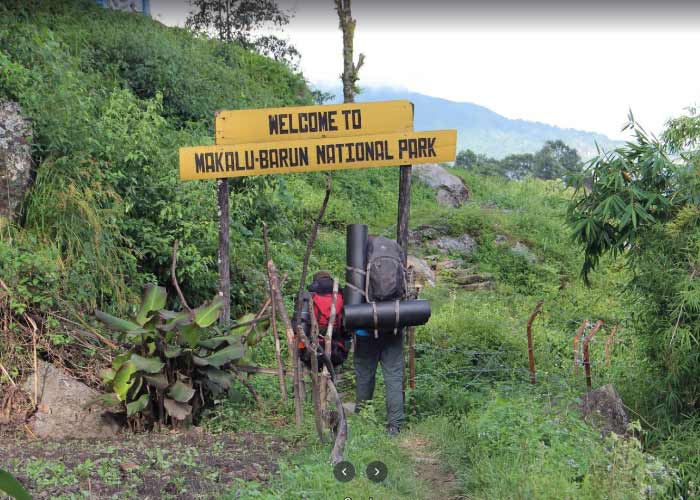
One of the few treks that wanders through two of Nepal’s most popular trekking regions, the Makalu Base Camp with Sherpani Col and Island Peak Trek is a unique adventure passing through both the Makalu and Everest regions. This route passes through Makalu-Barun National Park, home to Mount Makalu, the world’s 5th highest mountain, before crossing into the Sagarmatha National Park, home to Mount Everest and the legendary Khumbu Icefall.
The Makalu Base Camp with Sherpani Col and Island Peak is the longest trek in the Makalu region and one of the most demanding trekking routes in Nepal. Unlike the busier trails of the Annapurna and Langtang region, this trekking route is visited by far fewer trekkers because it involves challenging and technical sections that require specialized equipment, proper preparation, and technical trekking expertise. Its remote trails, high mountain passes, and demanding terrain make it a true adventure for adventure lovers and those seeking a less-crowded Himalayan experience and a challenge in the high mountains.
Makalu Base Camp
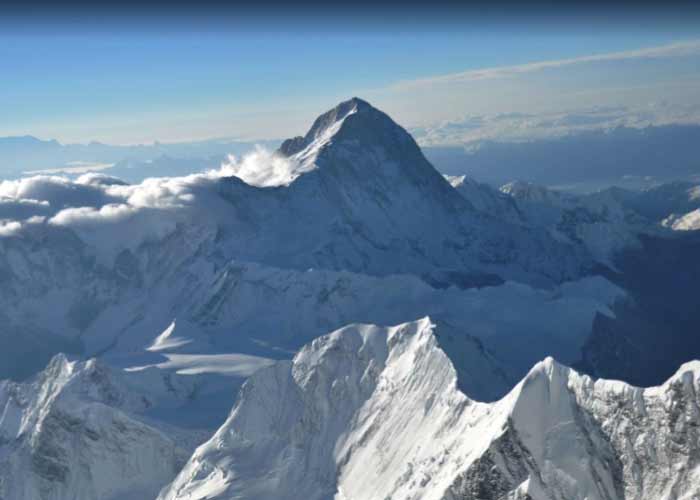
The trek that covers the rare diversity of flora and fauna and takes you through Makalu-Barun National Park is the Makalu Base Camp Trek. Home to the 5th highest mountain in the world, Mount Makalu (8,485 meters / 27,838 feet) demands not only physical exhaustion but also trekking equipment expertise as well. This Base Camp Trek offers you an untouched, remote, and isolated trekking route along with spectacular views of Mount Makalu, Lhotse, Everest, and Kanchenjunga. Not only that, but the stories passed down through generations add a religious and spiritual touch to the trek.
Beliefs & Legends of Mount Makalu
The name Makalu originated from the Sanskrit word Maha Kala (meaning “Great Black One” or “Beyond Time and Death”), an intimidating, destructive form of the Hindu deity Lord Shiva. The locals believe that Mount Makalu is the physical manifestation of Lord Shiva.
The Makalu Barun Valley is rumored in Sherpa and Rai folklore to be one of the true strongholds of the Yeti. This myth made international headlines in April 2019 when an Indian Army mountaineering team claimed to have spotted 32×15-inch “Yeti footprints” near Makalu Base Camp. Wildlife experts and the Nepal Army later clarified a native Himalayan bear almost certainly left the tracks.
The Hidden Valley of Makalu, Beyul, according to Tibetan Buddhist tradition (specifically within the Nyingma school), Makalu Barun National Park contains Beyul – a sacred hidden valley sanctified by Guru Rinpoche ( 8th-century Buddhist master and revered as “Second Buddha” in Tibet). The valley is believed to contain hidden spiritual treasures (terma) that will only be revealed when the world needs them most.
Sherpani Col Pass Trek
Sherpani Col, also known as the Ice Col, is a high-altitude pass in Nepal, standing at around 6,180 m above sea level. The Sherpani Col Pass Trek is a challenging cross-country high-altitude adventure that crosses three major passes: Sherpani Col (6,180 m), West Col (6,190 m), and Amphu Labtsa (5,850 m). The route connects the Makalu Region with the Everest Region, offering dramatic views of towering peaks, rugged glaciers, and high Himalayan landscapes along the way.
Island Peak
Island Peak, locally regarded as Imja Tse, is one of Nepal’s most popular peaks for climbing for trekkers with less experience. This stand-alone trek is beginner-friendly, doesn’t demand extreme physical exhaustion, and helps trekkers fulfill their wish of climbing a peak as a beginner.
Trip Overview
The two of the World’s largest mountains. One trail that connects them.
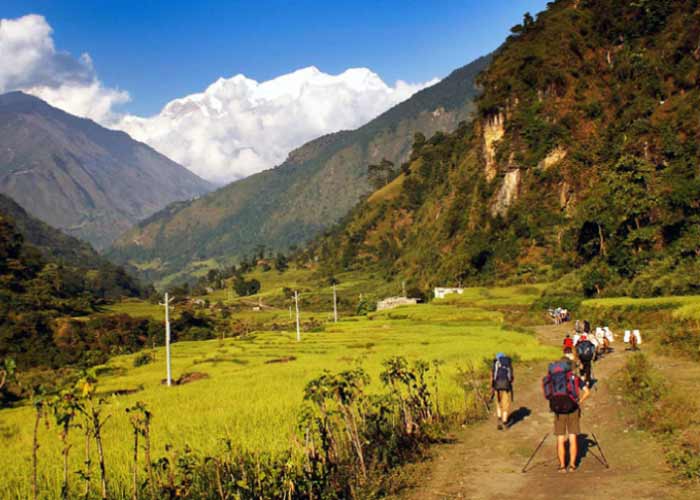
The journey starts with a long scenic drive from Kathmandu to Tumlingtar then through the Arun Valley to Num, continuing to Chyangla Kharka and a short trek into Numluma for your first night on the trail. From here the trail descends, crosses rivers, and climbs into Makalu Barun National Park. The permit formalities are completed at the Seduwa checkpost. After leaving Seduwa, Tashigaon, just ahead, is the last permanent settlement in the region, so it’s your final stop for extra batteries, snacks, or gear before things get remote. The climb out of Tashigaon is steep and relentless, breaking at Danda Kharka for lunch before pushing on to Khongma Danda through dense forest. No more villages after this. It’s just you and the mountains.
Khongma Danda gets the adventure going right away, with Shipton La and Keke La coming one after another. Both passes offer stunning Himalayan views before the trail heads down carefully toward Dobate. The trail keeps dropping the next day through a landslide-prone stretch and thick forest, following the Barun River past Phemtang to the peaceful valley camp of Yangle Kharka. This whole section is where acclimatization pacing actually starts to matter — the terrain doesn’t let up.
From Yangle Kharka, a steady walk through Tadosa brings you to Langmale Kharka (4,410m). The final push to Makalu Base Camp (4,870–5,000m) passes Shersong ridge and glacier views, arriving beneath Mount Makalu itself. A built-in 4-day contingency window follows here for rest and weather buffer before the expedition side begins.
From base camp, it’s tents from here on. The next stop is the Swiss Base Camp, then Sherpani Base Camp, where the crew fixes ropes for what’s coming.
Next is the hardest day of the trip: a back-to-back technical crossing of Sherpani Col and West Col, 9-11 hours of glacier travel on fixed ropes with no rest between. A long descent with close Baruntse views follows to Baruntse Base Camp, then a full rest day — critical recovery before the next stretch.
The trail then crosses moraine and glacial lakes to Setipokhari, followed by a short positioning day to Amphu Labtsa Base Camp, where ropes get fixed overnight.Amphu Labtsa Pass (5,845m) is crossed pre-dawn on fixed ropes, with sweeping Everest Himalaya views from the top. The long descent through Imja Valley brings you to Chhukung — your entry into the Everest Region.
A short walk past Imja Tsho glacier leads to Island Peak Base Camp (5,200m) for rope, harness, and ice-climbing training.
Island Peak(6,180m) starts at 1 am— rocky trail into glacier, fixed ropes through the technical bits, and a summit view of Lhotse, Nuptse, Ama Dablam, and Makalu together along with sunrise is truly one of the best moments of this trek.
The descent finally eases: Chhukung, Dingboche, Syomare, Pangboche, then Deboche and Tengboche, home to Tengboche Monastery where Mani Rimdu Festival is Celebrated, before entering Namche Bazaar.
The final stretch follows the classic Everest route along the Dudh Koshi to Jorsale, Monjo, Phakding, and Lukla, then a short scenic flight back to Kathmandu, two Himalayan giants, one expedition
Which is the best season for Makalu Base Camp with Sherpani Col Pass and Island Peak?
Spring (March to May) and Autumn (September to November) are the best seasons for Makalu Base Camp with Sherpani Col Pass and Island Peak.
How difficult is the Makalu Base Camp with Sherpani Col Pass and Island Peak?
The Makalu Base Camp with Sherpani Col Pass and Island Peak is graded at the highest difficulty level (level 5). This is one of the most difficult treks in Nepal.
Highlights of the Makalu Base Camp with Sherpani Col Pass and Island Peak
- Summit Island Peak (6,189m), offering stunning close-up views of Lhotse, Nuptse, Ama Dablam, and Makalu
- Experience the remote and isolated trails of Makalu, Baruntse, and Everest in one continuous high-altitude adventure.
- Since it is one of Nepal’s least-visited protected areas, trekking through Makalu Barun National Park offers a more thrilling and adventurous experience, with chances to spot rare flora and fauna like red pandas, musk deer, and rhododendron forests.
- Cross the challenging Sherpani Col, West Col, and Amphu Labtsa Pass, a rare high-altitude route attempted by only a few trekkers.
Permits Required for the Makalu Base Camp with Sherpani Col and Island Peak Trek
The required permits are:
- TIMS card
- Makalu Barun National Park Permit
- Restricted Area Permit
- Khumbu Pasang Lhamu Rural Municipality Tax
- Sagarmatha National Park Fee
- Island Peak Permit
Special Note:
If this itinerary doesn’t suit your requirement or if you want to customize it, please feel free to contact us. This trek could be customized as per your required time frame and budget limits.
Overview
-
Day 01Kathmandu – Tumlingtar
-
Day 02Drive to Num – Chyangla Kharka – Trek to Numluma
-
Day 03Numluma – Seduwa – Tashigaon
-
Day 04Tashigaon – Danda Kharka – Khongma Danda
-
Day 05Khongma – Shipton La – Keke La – Dobate
-
Day 06Duration: 8–9 hrs Highlights: High mountain passes, panoramic Himalayan views, alpine terrain Accommodation: Teahouse Meals: Breakfast, Lunch, Dinner One of the most adventurous days of the trek. You start early and hike to Khongma viewpoint before crossing multiple passes including Shipton La and Keke La. These high passes offer stunning views of snow-covered peaks. After lunch near the pass, you descend carefully towards Dobat
-
Day 07Yangle Kharka – Tadosa – Langmale Kharka (4,410m)
-
Day 08Langmale Kharka – Makalu Base Camp (Approx. 4,870m–5,000m)
-
Day 09Contingency Day 1: Rest & Acclimatization at Makalu Base Camp
-
Day 10Contingency Day 2 – Optional Side Trip to Barun Glacier
-
Day 11Contingency Day 3 – Weather Buffer & Gear Preparation
-
Day 12Contingency Day 4 – Final Buffer Before Continuing
-
Day 13Makalu Base Camp – Swiss Base Camp
-
Day 14Swiss Base Camp – Sherpani Base Camp
-
Day 15Sherpani Col to West Col (Baruntse Camp 1)
-
Day 16West Col (Camp 1) to Baruntse Base Camp
-
Day 17Rest Day at Baruntse Base Camp
-
Day 18Baruntse Base Camp – Setipokhari
-
Day 19Trek from Setipokhari to Amphu Labtsa Base Camp
-
Day 20Cross Amphu Labtsa Pass (5,845m) – Descend to Chhukung (4,730m)
-
Day 21Climbing Option:Chhukung to Island Peak Base camp (5,200m/17,060ft)
-
Day 22Island Peak Base Camp (5,200m/17,060ft) (5,087 m) to Summit (6,180m/20,305ft) and back to Base Camp
-
Day 23Island Peak Base Camp (5,200m/17,060ft) to Pangboche (3,985m/13,074ft)
-
Day 24Pangboche (3,985 m) to Namche Bazaar (3,440 m)
-
Day 25Namche Bazaar (3,440 m) to Lukla (2,652m/8,700ft)
-
Day 26Lukla – Kathmandu
-
Day 27Departure from Kathmandu
Detail Itinerary
Day 01 : Kathmandu – Tumlingtar :
Duration: 10–12 hrs (drive)
Highlights: Scenic Drive
Accommodation: Teahouse
Meals: Lunch, Dinner
We start out jorunery from Kathmandu to Tumlingtar, a scenic 10-12 hr drivealong the BP Highway through Dhulikhel and Khurkot before joining the Koshi Highway. We’ll take a lunch break at Khurkot, a riverside stop along the Sunkoshi, before continuing east to reach Tumlingtar by evening.
Day 02 : Drive to Num – Chyangla Kharka – Trek to Numluma :
Duration: 7–9 hrs (drive + trek)
Highlights: Arun Valley landscapes, remote villages, first trekking experience
Accommodation: Teahouse
Meals: Breakfast, Lunch, Dinner
Your journey begins with a long yet beautiful drive through the Arun Valley. As the road winds through hills and rivers, you will reach Num and continue further towards Chyangla Kharka. From here, a short trek takes you to Numluma, where you spend your first night in the mountains. It is a long day, however, the transition into remote eastern Nepal makes it truly rewarding.
Day 03 : Numluma – Seduwa – Tashigaon :
Duration: 8–10 hrs
Highlights: Makalu Barun National Park entry, forest trails, local Rai and Sherpa villages
Accommodation: Teahouse
Meals: Breakfast, Lunch, Dinner
Today you descend and cross rivers before climbing up to Seduwa, where you complete the permit formalities at the national park checkpost. After lunch, the trail continues gradually uphill through terraced fields and forests until you reach Tashigaon, the last permanent settlement of this region.
Day 04 : Tashigaon – Danda Kharka – Khongma Danda :
Duration: 6–7 hrs
Highlights: Steep ascent, rhododendron forests, altitude gain
Accommodation: Teahouse
Meals: Breakfast, Lunch, Dinner
Leaving Tashigaon, the trail becomes steeper as you climb continuously through dense forests. After a lunch stop at Danda Kharka, you continue ascending towards Khongma Danda. This day is physically demanding, however, it prepares your body for higher altitude ahead.
Day 05 : Khongma – Shipton La – Keke La – Dobate :
Duration: 8–9 hrs
Highlights: High mountain passes, panoramic Himalayan views, alpine terrain
Accommodation: Teahouse
Meals: Breakfast, Lunch, Dinner
One of the most adventurous days of the trek. You start early and hike to Khongma viewpoint before crossing multiple passes including Shipton La and Keke La. These high passes offer stunning views of snow-covered peaks. After lunch near the pass, you descend carefully towards Dobate
Day 06 : Duration: 8–9 hrs Highlights: High mountain passes, panoramic Himalayan views, alpine terrain Accommodation: Teahouse Meals: Breakfast, Lunch, Dinner One of the most adventurous days of the trek. You start early and hike to Khongma viewpoint before crossing multiple passes including Shipton La and Keke La. These high passes offer stunning views of snow-covered peaks. After lunch near the pass, you descend carefully towards Dobat:
Duration: 7–8 hrs
Highlights: Barun River valley, landslide section, deep forest and river views
Accommodation: Teahouse
Meals: Breakfast, Lunch, Dinner
The trail descends steeply at first, passing through landslide-prone sections and lush forests. As you follow the Barun River, the landscape opens up beautifully. You pass Phemtang and continue towards Yangle Kharka, enjoying peaceful valley views.
Day 07 : Yangle Kharka – Tadosa – Langmale Kharka (4,410m) :
Duration: 5–6 hrs
Highlights: Alpine meadows, increasing altitude, wide Himalayan valley
Accommodation: Teahouse
Meals: Breakfast, Lunch, Dinner
Today’s trek is gradual yet steady. Walking alongside the river, you reach Tadosa for lunch and continue towards Langmale Kharka. The surroundings now become more open and alpine, giving a true high-mountain feeling.
Day 08 : Langmale Kharka – Makalu Base Camp (Approx. 4,870m–5,000m) :
Duration: 6–7 hrs
Highlights: Glacier landscapes, Shersong ridge, close views of Mount Makalu
Accommodation: Teahouse
Meals: Breakfast, Lunch, Dinner
A spectacular day as you head towards Makalu Base Camp. The trail passes Shersong and offers breathtaking views of glaciers and surrounding peaks. You can also take a short side trip to a nearby lake. Upon reaching base camp, you are rewarded with incredible views of Mount Makalu and surrounding Himalayan giants.
Day 09 : Contingency Day 1: Rest & Acclimatization at Makalu Base Camp:
Highlights: Socializing with other groups
Accommodation: Teahouse
Meals: Breakfast, Lunch, Dinner
A well-earned rest day at Makalu Base Camp after the demanding climb from Langmale Kharka. Spend the day relaxing, staying hydrated, and letting your body adjust to the altitude, with the option of a short walk nearby to take in views of Mount Makalu and the surrounding glaciers.
Day 10 : Contingency Day 2 – Optional Side Trip to Barun Glacier:
Duration: 3–4 hrs (optional)
Highlights: Barun Glacier, close-up views of Makalu and Shersong ridge
Accommodation: Teahouse
Meals: Breakfast, Lunch, Dinner
If you’re feeling strong and the weather cooperates, today we go on an optional excursion further along the Barun Glacier or towards Shersong for some of the closest views of Mount Makalu on the entire trek. If not, this day can simply be used for continued rest.
Day 11 : Contingency Day 3 – Weather Buffer & Gear Preparation:
Accommodation: Teahouse
Meals: Breakfast, Lunch, Dinner
This day acts as a buffer in case earlier stages were delayed by weather. If you’re on schedule, use the time to relax around camp, meet other expedition teams often present at Makalu Base Camp, and begin preparing gear for the technical terrain ahead.
Day 12 : Contingency Day 4 – Final Buffer Before Continuing:
Highlights: Final rest, photography of Makalu and surrounding peaks
Accommodation: Teahouse
Meals: Breakfast, Lunch, Dinner
The last of the contingency days serves as a final safeguard against any remaining weather or acclimatization delays. If unused, it’s simply an extra day to enjoy the views of Makalu before continuing on towards Swiss Base Camp and the technical route ahead.
Day 13 : Makalu Base Camp – Swiss Base Camp :
Duration: 5–6 hrs
Highlights: Glacier landscapes, remote alpine terrain, transition into expedition route Accommodation: Tent/Camping
Meals: Breakfast, Lunch, Dinner
Leaving Makalu Base Camp behind, the trail gradually enters a more remote and rugged alpine environment. The route follows rocky moraine and glacier sections while offering magnificent views of Makalu and surrounding snow peaks. After several hours of steady trekking, you arrive at Swiss Base Camp, a peaceful campsite surrounded by dramatic Himalayan scenery
Day 14 : Swiss Base Camp – Sherpani Base Camp :
Duration: 6–7 hrs
Highlights: Glacier travel, moraine ridges, high-altitude camping experience
Accommodation: Tent/Camping
Meals: Breakfast, Lunch, Dinner
Today’s journey continues deeper into the isolated high mountain terrain. The trail traverses rocky glacier paths and steep moraine sections as you move closer towards the Sherpani Col region. Surrounded by towering peaks and icy landscapes, you finally reach Sherpani Base Camp, where preparations begin for the technical crossing ahead.
Day 15 : Sherpani Col to West Col (Baruntse Camp 1):
Duration: 9–11 hrs
Highlights: Technical alpine crossing, glacier climbing, Sherpani Col and West Col adventure
Accommodation: Tent/Camping
Meals: Breakfast, Lunch, Dinner
One of the most demanding days of the expedition. Starting early in the morning, you ascend steep glacier terrain towards Sherpani Col using fixed ropes where necessary. After crossing the col, the route continues across icy and rocky terrain towards West Col, also known as Baruntse Camp 1. The day requires endurance and careful movement in high-altitude technical conditions.
Day 16 : West Col (Camp 1) to Baruntse Base Camp :
Duration: 7–9 hrs
Highlights: Glacier traverse, dramatic Himalayan scenery, views of Baruntse Peak Accommodation: Tent/Camping
Meals: Breakfast, Lunch, Dinner
From West Col, the trail gradually descends through rugged glacier terrain and remote alpine valleys. The route offers incredible close-up views of Baruntse and surrounding peaks throughout the day. After crossing moraine and icy sections, you finally arrive at Baruntse Base Camp, one of the most scenic high camps in eastern Nepal.
Day 17 : Rest Day at Baruntse Base Camp :
Highlights: Acclimatization, glacier exploration, mountain views, rest and recovery Accommodation: Tent/Camping
Meals: Breakfast, Lunch, Dinner
This day is reserved for acclimatization and rest before continuing towards Amphu Labtsa Pass. You can explore the glacier surroundings, enjoy panoramic Himalayan views, and prepare equipment for the next stage of the expedition. Proper rest here is important for safe adaptation to the demanding altitude
Day 18 : Baruntse Base Camp – Setipokhari :
Duration: 6–7 hrs
Highlights: High alpine wilderness, glacial lakes, remote trekking experience
Accommodation: Tent/Camping
Meals: Breakfast, Lunch, Dinner
Leaving Baruntse Base Camp, the route continues through isolated moraine landscapes and rugged mountain terrain. Along the way, you pass beautiful glacier-fed lakes and dramatic Himalayan scenery before reaching Setipokhari, a stunning high-altitude campsite known for its peaceful surroundings and pristine natural beauty.
Day 19 : Trek from Setipokhari to Amphu Labtsa Base Camp :
Duration: 5–6 hrs
Highlights: Glacier terrain, expedition atmosphere, preparation for Amphu Labtsa crossing Accommodation: Tent/Camping
Meals: Breakfast, Lunch, Dinner
Today’s trek is shorter but essential for positioning before crossing Amphu Labtsa Pass. The trail ascends gradually through rocky glacier sections towards Amphu Labtsa Base Camp. Upon arrival, the climbing crew prepares ropes and technical equipment while you rest and prepare for the challenging pass crossing the following day.
Day 20 : Cross Amphu Labtsa Pass (5,845m) – Descend to Chhukung (4,730m) :
Duration: 10–12 hrs
Highlights: Technical high-pass crossing, fixed rope sections, Everest region mountain views Accommodation: Teahouse
Meals: Breakfast, Lunch, Dinner
Today is one of the most adventurous and rewarding days of the expedition. Beginning before sunrise, you climb steep icy terrain towards Amphu Labtsa Pass using fixed ropes in technical sections. From the top, breathtaking views of Himalayan giants and glaciers unfold in every direction. After successfully crossing the pass, a long descent through the Imja Valley brings you to Chhukung, marking your entry into the Everest region and the successful completion of this legendary alpine crossing.
Day 21 : Climbing Option:Chhukung to Island Peak Base camp (5,200m/17,060ft) :
Duration: 3hrs walk (5Km)
Highlights: Equipment Usage Training, Ice Climbing Training, Tent-Camp, Beautiful Landscape, Prayer Flags
Meals: Breakfast, Lunch, Dinner
Accommodation: Tent Camp
Ascend: 450m/1,476ft
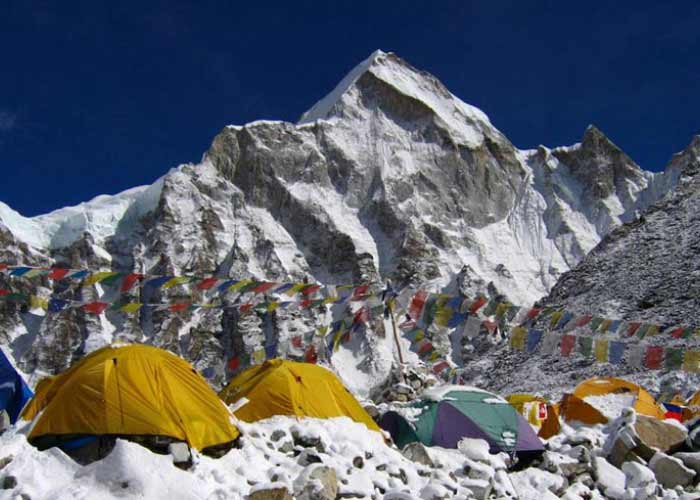
Leaving Chhukung behind, today’s trail gradually ascends through rocky moraine and glacial terrain, skirting the edge of the Imja Tsho Glacier as it winds toward Island Peak Base Camp. Upon arrival at the base camp, the climbing guide provides training on climbing equipment usage including ropes, harnesses, crampons, and ice axes. You also practice basic ice climbing techniques to prepare for the summit push. Set beneath the towering presence of Island Peak, the camp is surrounded by beautiful Himalayan landscapes and colorful prayer flags, creating a true expedition atmosphere.
Day 22 : Island Peak Base Camp (5,200m/17,060ft) (5,087 m) to Summit (6,180m/20,305ft) and back to Base Camp :
Duration: 10–12hrs walk (5Km)
Highlights: Start Climbing from Midnight (1 AM), Astonishing Sunrise View, Achievement of a lifetime, Massive Mountain View, Adventure and Excitement, Prayer Flags, Climbing Equipment, Crevasse
Meals: Breakfast, Lunch, Dinner
Accommodation: Tent Camp
Ascend: 989m/3,244ft Descend: 989m/3,244ft
A challenging and rewarding summit day begins around midnight, departing from Island Peak Base Camp under the stars. The route follows steep rocky trails and glacier sections with the support of fixed ropes in technical areas as you push toward the Island Peak Summit. Upon reaching the summit of Island Peak, you are rewarded with breathtaking panoramic views of Lhotse, Nuptse, Ama Dablam, Makalu, and surrounding Himalayan peaks. After celebrating this remarkable achievement, you carefully descend back to Island Peak Base Camp for overnight rest.
Day 23 : Island Peak Base Camp (5,200m/17,060ft) to Pangboche (3,985m/13,074ft) :
Duration: 6hrs walk (8–9Km)
Highlights: Mountain Sceneries, Beautiful Landscapes, Sherpa Culture, Chorten
Meals: Breakfast, Lunch, Dinner
Accommodation: Lodge/Hotel
Descend: 1,215m/3,986ft
After breakfast, the trail descends gradually from Island Peak Base Camp through the beautiful Khumbu Valley. Passing Chhukung and Dingboche, you enjoy magnificent views of surrounding Himalayan peaks and traditional Sherpa settlements. Continuing further down through alpine landscapes and Buddhist chortens, passing through Syomare, you finally reach Pangboche, one of the oldest Sherpa villages in the Everest region.
Day 24 : Pangboche (3,985 m) to Namche Bazaar (3,440 m) :
Duration: 5–6hrs walk (10Km)
Highlights: Mountain Sceneries, Rhododendron Forest, Pine Forest, Beautiful Landscapes, Monasteries
Meals: Breakfast, Lunch, Dinner
Accommodation: Lodge/Hotel Descend: 735m/2,411ft
Ascend: 400m/1,312ft
Today the trail descends from Pangboche through rhododendron and pine forests, passing through Deboche (Deuche) and its beautiful monastery before reaching Tengboche, home to the famous Tengboche Monastery. Continuing down past Phunki Thanka, the trail crosses suspension bridges and offers stunning Himalayan scenery along the way, before you arrive at Namche Bazaar, the vibrant gateway of the Everest region.
Day 25 : Namche Bazaar (3,440 m) to Lukla (2,652m/8,700ft):
Duration: 7–8hrs walk (16–18Km)
Highlights: Rhododendron Forest, Various High Suspension Bridges, Tashi Lapcha Mountain View, Kawande Mountain View, Beautiful Landscape, Pine Forest, Last Everest View, Prayer Flags Meals: Breakfast, Lunch, Dinner
Accommodation: Hotel
Descend: 600m/1,968ft
Ascend: 210m/688ft
Your final trekking day departs Namche Bazaar and follows the Dudh Koshi River through forests, villages, and suspension bridges, passing through Jorsale, Monjo, and Phakding along the way. The trail retraces the classic Everest trekking route while offering final mountain views and beautiful Himalayan landscapes before reaching Lukla, where you celebrate the successful completion of the expedition.
Day 26 : Lukla – Kathmandu :
Duration: 35mins flight, 30mins Drive (5Km)
Highlights: Stunning View of Mountains from Flight, Geography, Landscapes, Adventure and Excitement, Kathmandu Valley View
Meals: Breakfast
Accommodation: Hotel
An early morning scenic flight departs from Lukla and brings you back to Kathmandu with spectacular aerial views of the Himalayas. Upon arrival at the Kathmandu Domestic Airport, you are transferred by private vehicle to your hotel in Thamel for rest and relaxation after completing this incredible Himalayan journey. Note: It is recommended to have a buffer day in the itinerary since weather conditions in the Everest region can sometimes affect flight schedules and climbing plans.
Day 27 : Departure from Kathmandu:
Depending on your flight time, our team will drop you off at the airport. As you leave Nepal, you’ll carry not just photos and memories from the trek, but also an achievement that only a few can accomplish.
Price Includes
• Airport pick-up and drop service
• 1 nights Hotel in Kathmandu with breakfast (Hotel Green Horizon or similar standard)
• All accommodation during the trek
• All foods during the trek: Breakfast, Lunch, and Dinner
• Domestic Flight (Lukla – Kathmandu)
• All required land transportation (4WD) as mentioned in the itinerary
• Professional and Highly experienced English-speaking Trekking Guide licensed by the Government. Including his lodging, food, and insurance.
• 1 Porter for 2 trekkers (1:2) with a max load of 25 KG. Including his lodging, food, and insurance.
• Trekking permits: TIMS card and Makalu Barun National Park Permits, Restricted Area Permit, Khumbu Pasang Lhamu Rural Municipality Tax, Sagarmatha National Park Fee, Island Peak Permit
• 2 Nights 3 Days Base Camp Service/Climbing Package
o Well experienced ice climbing guide (Summit charge, insurance, food, personal equipment)
o Meals and Accommodation during climbing period o Group Climbing gear fixed rope, main rope, ice axe, zoomer, harness, the figure of eight, carabineer
• Trekking gear like a sleeping bag and down jacket made available on rent
• T-shirt, Duffel Bag, and Trekking Map with Company Logo
• Rescue Arrangement Service
• 13% VAT and 10% service charge
. • First aid medical box.
• Farewell Dinner
Price Excludes
• Visa fee to enter Nepal (Visa Information)
• International flight tickets and extra baggage charges
• Lunch/Dinner in Kathmandu
• Extra night accommodation and meal costs due to any change in the scheduled itinerary
• Entrance Fees for Sightseeing Places
• Travel insurance/ Rescue operation costs
• Personal expenses (phone calls, laundry, bar bills, battery recharge, extra porters, bottle or boiled water, shower, etc.)
• All Soft Drinks and Alcoholic Beverages
• Tip for guides and porters
• Any other services which are not mentioned in the “Price Includes” section above
Trip Gallery
Equipments
Related Trips
You will also like …